TL;DR: To price an inherited collection, first inventory and sort everything by category, then research sold (not asking) comps for your top items, grade condition honestly, and separate the few high-value pieces from bulk lots. Get a free professional valuation before selling — condition, completeness, and current demand (like the Labubu craze) swing prices dramatically.
Inheriting a collection is equal parts sentiment and puzzle. Whether it's comics, coins, toys, trading cards, or a garage full of mixed treasures, the fastest way to turn it into fair value is a repeatable process. Here's exactly how to do it.
How do I start pricing a collection I just inherited?
Start by inventorying and sorting the collection by category before you price a single item. Group like with like — action figures, cards, coins, comics, memorabilia — then photograph each group. This turns an overwhelming pile into countable, researchable segments and instantly reveals what you actually have.
A few first moves that save hours:
- Don't clean or "restore" anything. Amateur cleaning almost always lowers value on coins, cards, and toys.
- Keep original packaging, receipts, and paperwork. Boxes and certificates of authenticity often add 20–100% to value.
- Note quantities. Ten of one item is a lot; one of ten is a collection.
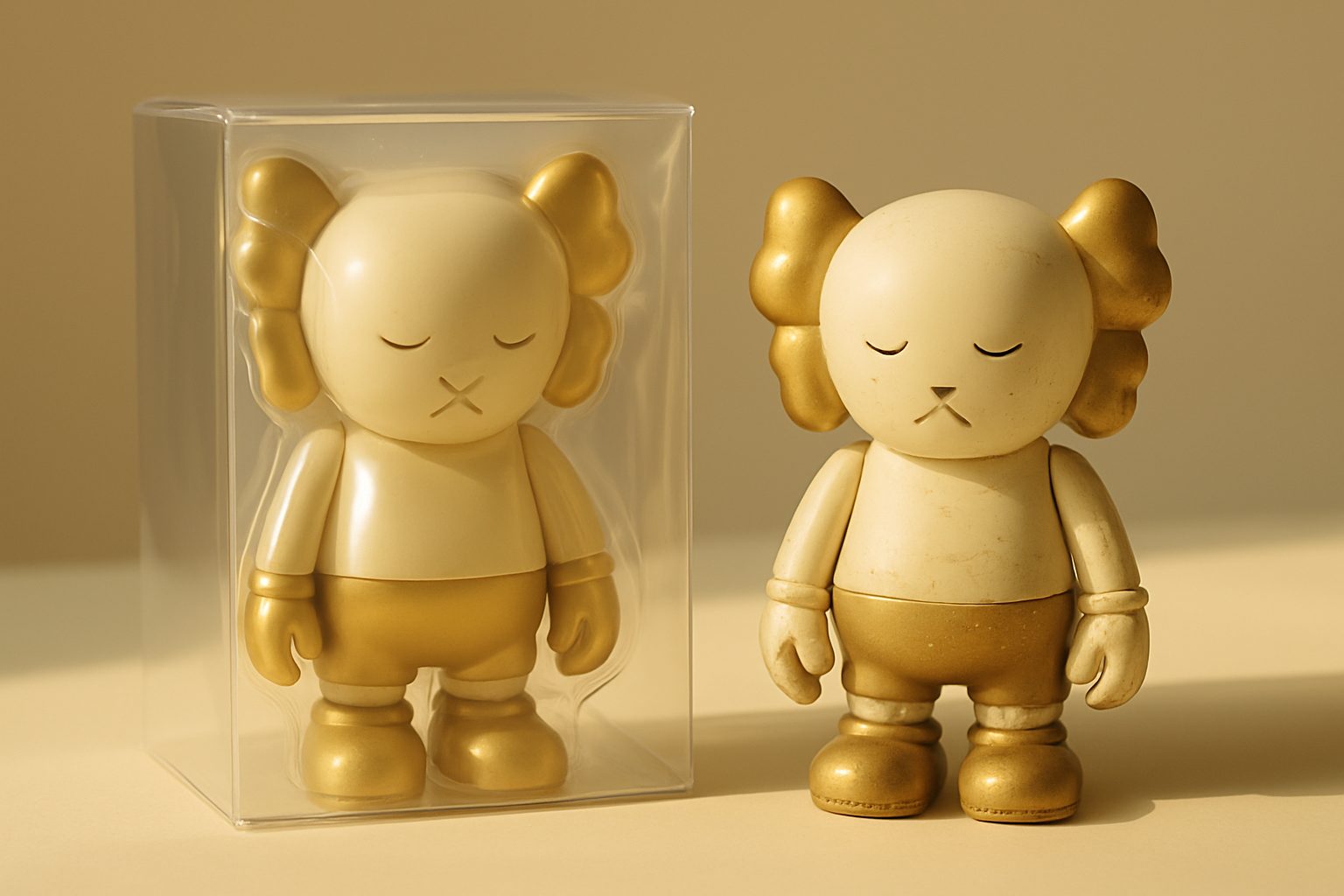
- Flag anything sealed or graded. Unopened blind boxes and slabbed cards command premiums.
How do I find out what each item is worth?
Research sold comparable listings (comps), not asking prices. On eBay, search the item, then filter by "Sold Items" to see what buyers actually paid in the last 90 days. Asking prices are wishes; sold prices are the market. Average the three to five most similar recent sales.
When pulling comps, match on:
- Exact variant — edition, colorway, year, and print run.
- Condition — sealed vs. loose, graded vs. raw.
- Completeness — all pieces, inserts, and packaging present.
For example, the trending Labubu The Monsters blind box figures by Pop Mart vary wildly: a sealed full case, a confirmed "secret" chase figure, and a loose common all sell at very different numbers. A single desirable Labubu secret can outvalue an entire bin of loose commons — which is exactly why item-by-item research on your standouts matters.
Which items should I research individually vs. sell as a lot?
Research your top 10–20% of items individually and bundle the rest into lots. In most inherited collections, a small number of pieces carry the majority of the value, while the bulk is best sold together. Chasing comps on every common item wastes time you could spend on the real winners.
Use this quick triage:
- Individual sale: rare, sealed, graded, autographed, or high-demand pieces (chase figures, key comics, precious-metal coins).
- Lot sale: commons, duplicates, incomplete sets, and low-dollar items grouped by theme.
- Uncertain? Set it aside for a professional to eyeball — the sleepers you don't recognize are often where money hides.
How much does condition affect the price?
Condition is usually the single biggest price driver — often more than rarity. The same figure can vary 5–10x between mint-sealed and played-with. For most collectibles, value tiers run: sealed/graded > complete-in-box > loose-complete > loose-incomplete > damaged.
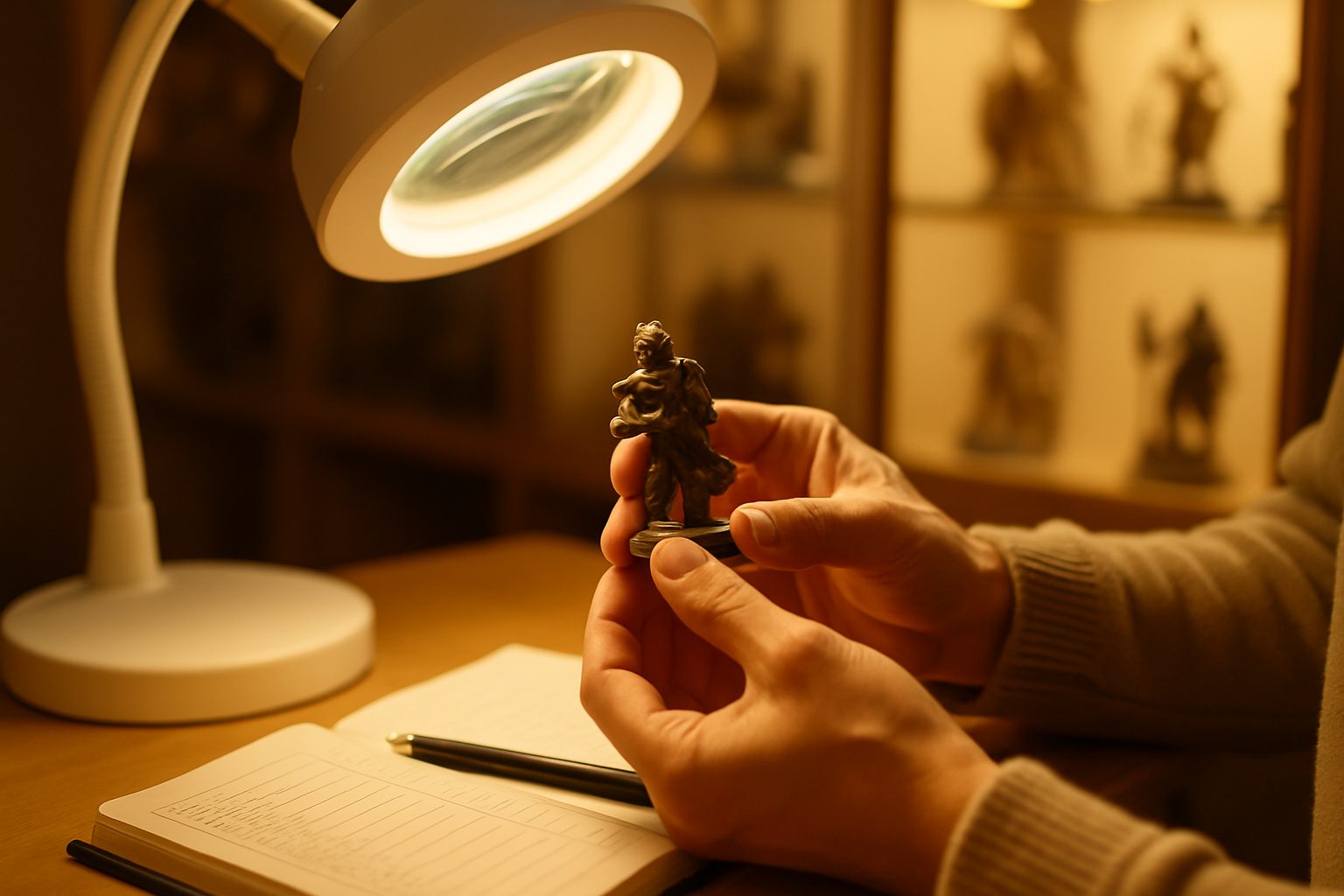
Grade honestly against these signals:
- Packaging: creases, sun-fading, crushed corners, cut tape.
- The item: paint rubs, cracks, missing accessories, yellowing.
- Authenticity: counterfeits are common in hot markets like Labubu — check logos, QR/authenticity codes, and seams before assuming full value.
When in doubt, under-grade in your own estimate. Buyers reward accuracy and punish surprises.
What's the fastest way to turn the collection into money?
The fastest fair-value path is a professional valuation, then choosing between an immediate cash sale or consignment. Doing it yourself means dozens of listings, photography, shipping, and returns; a specialist compresses that into a single decision. At The Toy Showroom (Kali.J Design) in Upland, CA, you can do either.
Two clear options:
- Sell for cash. We make cash offers from your photos, as 24-hour coded offers so you have time to think without pressure. Best when you want speed, certainty, and no ongoing involvement. Start a cash offer here.
- Consign for maximum return. We photograph, list, ship, and handle returns across eBay, Amazon, Whatnot, weekly auctions, and our showroom — and you keep 60% of the net. Best for higher-value or trend-sensitive pieces (like in-demand Labubu figures) where reaching more buyers lifts the final price. Learn how consignment works.
A common smart move: take a cash offer on the bulk lots, and consign the standout pieces to ride current demand.
How do I avoid underselling an inherited collection?
Avoid underselling by never accepting the first offer without at least a comp check on your top items. Get one professional valuation, verify authenticity on hot-market pieces, and keep sealed/graded items intact. Rushing to a pawn shop or bulk buyer is the most common way heirs leave money on the table.
Protect your value by:
- Not splitting complete sets — full runs and full cases usually sell for more together.
- Timing trend items — demand for lines like Labubu moves fast; a current specialist read beats an old price guide.
- Getting it seen by people who sell it daily — market knowledge is the difference between a guess and a number.
FAQ
How long does it take to price a whole collection? A rough DIY inventory and comp check on your top items takes a weekend. A specialist like The Toy Showroom can evaluate the collection from photos submitted at sell.kalijdesign.com/sell and make an offer, with no weekend of research on your side.
Do I need a formal appraisal to sell? Not to sell. Formal written appraisals matter for insurance or estate taxes. To sell, a specialist's market valuation based on real sold comps is what determines your actual payout.
Are Labubu blind boxes actually worth researching individually? Yes. Sealed cases and confirmed secret/chase figures can be worth many times a loose common, so verify authenticity and check current sold comps before lotting them together.
Should I sell everything for cash or consign? Cash is fastest and certain; consignment (you keep 60% of net) typically earns more on higher-value or trending pieces. Many people do both — cash for bulk, consign the standouts.
What if I don't recognize half the items? That's normal and often good news. Unrecognized pieces are where hidden value hides — have a specialist evaluate them rather than guessing or tossing them.
Is there any cost to get a valuation? At The Toy Showroom, valuations are free, and cash offers are good for 24 hours via a coded offer, so you can decide without pressure.